
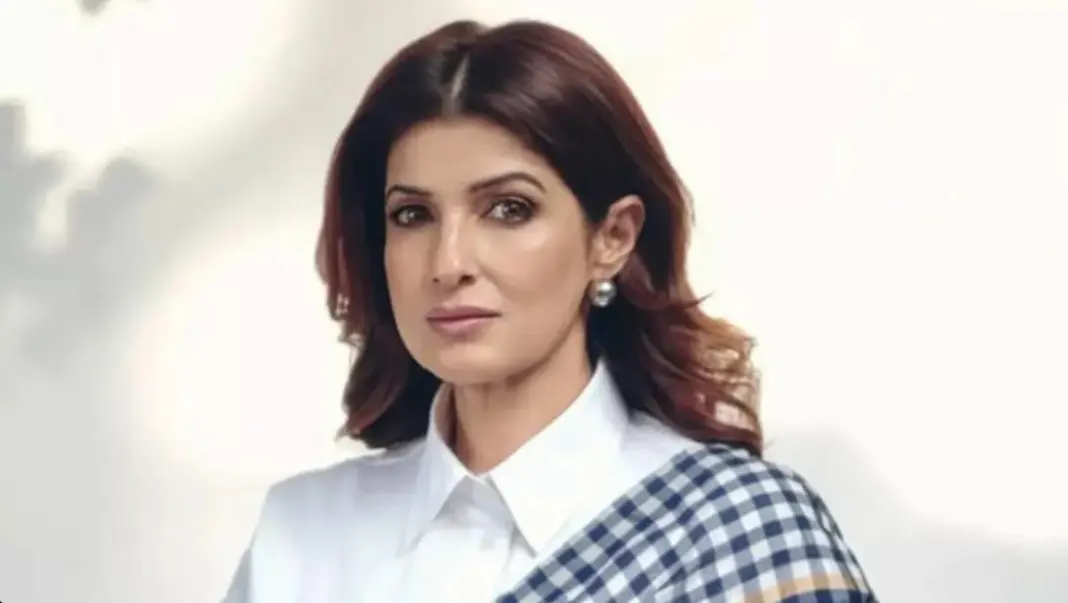

Twinkle Khanna has often spoken about parenting with a mix of honesty, humour and self-awareness. From dealing with screen-time battles to accepting moments of frustration, her observations offer a refreshingly realistic perspective on raising children in a demanding modern world.
Known for her work as an author, columnist and entrepreneur, Twinkle Khanna has also spoken candidly about the realities of motherhood. Rather than presenting parenting as a perfectly organised journey, she has acknowledged the exhaustion, uncertainty and occasional chaos that can accompany raising children.
Her comments offer a useful reminder that parents do not have to get everything right all the time.
1. It is okay for parents to feel overwhelmed
One of Twinkle Khanna’s most relatable observations is that parents can reach a point where they simply feel overwhelmed.
Speaking about the challenges of managing children and screen time, she once described an emotional response that many parents may recognise.
“I cry, if that helps. I stand at the doorstep and cry. I think that’s the only solution I can offer,” she said.
The comment reflects a broader point: feeling frustrated does not automatically mean someone is failing as a parent.
Modern families face a range of pressures, from children’s screen habits and school demands to busy schedules and the difficulty of finding enough time for themselves. Acknowledging those emotions can be healthier than pretending that every day is manageable.
2. Parents today are expected to do everything
Twinkle has also spoken about how the expectations placed on parents, particularly mothers, have expanded.
Parents are often expected to keep track of nutrition, education, physical activity, emotional wellbeing, household routines and technology use, all while managing professional responsibilities.
“Our mothers had it much easier,” she has reflected.
Her observation highlights the pressure many modern parents experience. The expectation to excel in every aspect of family life can make ordinary parenting challenges feel like personal shortcomings.
Instead of constantly attempting to meet every expectation, parents can benefit from identifying what genuinely matters to their family and letting go of unnecessary pressure.
3. Nurturing parenting is not limited by gender
Another idea reflected in Twinkle’s comments about her family is that caregiving does not have to follow traditional gender roles.
She has spoken positively about her husband, actor Akshay Kumar, being the gentler and more nurturing parent in certain situations.
The observation challenges the assumption that mothers should automatically be the more emotionally involved parent.
Parenting responsibilities can be shared in different ways depending on the personalities, strengths and circumstances of each family. Patience, affection, emotional availability and nurturing are not qualities that belong exclusively to either parent.
4. Sometimes parents have to improvise
Twinkle is also known for approaching everyday parenting problems with humour.
On one occasion, she joked about involving a Wi-Fi technician during a screen-related parenting crisis. While the anecdote was delivered humorously, it reflects a practical reality of raising children: not every problem comes with a ready-made solution.
Parents can encounter situations where conventional advice simply does not fit their family.
Sometimes solving the immediate problem requires creativity, flexibility and a willingness to try something different.
5. Humour can make difficult parenting moments easier
Twinkle’s approach to parenting frequently includes humour.
That does not mean she treats parenting challenges lightly. Instead, humour can provide some distance from stressful situations and help parents recognise the absurdity in everyday family life.
A difficult day can feel very different when parents allow themselves to laugh at some of the chaos rather than expecting everything to go according to plan.
6. Listening matters as children grow
Twinkle’s parenting philosophy also places importance on empathy and communication.
As children become older and increasingly independent, parenting inevitably changes. Direct instructions may become less effective, while listening and maintaining an open line of communication can become more important.
Building trust through conversations can also help children feel comfortable discussing difficult experiences rather than feeling that they have to hide them.
7. Parenting is not about creating perfect children
Perhaps the most useful takeaway from Twinkle Khanna’s observations is that parenting does not need to be treated as a quest for perfection.
Children are individuals with different personalities, strengths and challenges. Parents are also learning as they go.
A healthy family environment can involve boundaries as well as freedom, discipline as well as understanding, and guidance alongside increasing independence.
Twinkle’s candid observations ultimately offer a less polished but more realistic picture of parenthood: some days are organised, some are chaotic, and occasionally the best thing a parent can do is admit that they are struggling.
Twinkle Khanna’s parenting lessons at a glance
- Feeling overwhelmed is human: Parents do not have to hide difficult emotions.
- The parenting workload is extensive: Modern parents often juggle multiple responsibilities.
- Caregiving is not gender-specific: Both parents can contribute emotional and practical support.
- Flexibility matters: Unusual situations sometimes require unconventional solutions.
- Humour can help: Finding something to laugh about can make stressful moments easier.
- Communication builds trust: Listening becomes increasingly important as children grow.
- Perfection is not the goal: Parenting is about supporting children as they develop into independent individuals.
Twinkle Khanna’s reflections stand out because they do not present motherhood as a flawless experience. Instead, they acknowledge the contradictions that come with raising a family—love alongside exhaustion, confidence alongside uncertainty and structure alongside spontaneity.
For modern parents, that honesty may be the most useful lesson of all.